Use the content list to navigate to the section you are interested in
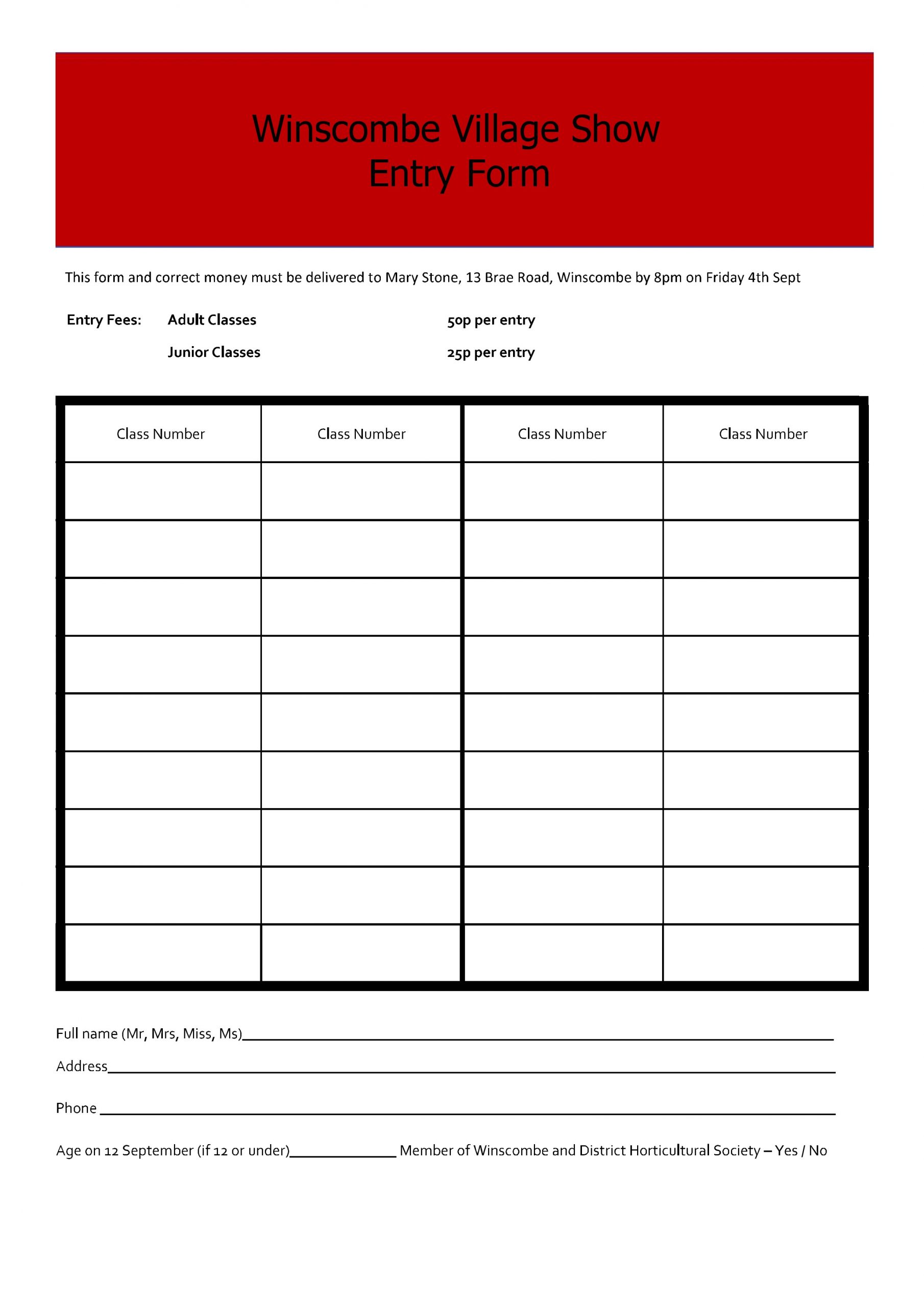
- Entry Form Download
- Section 1 – Creative Arts
- Junior Section 1 – Creative Arts
- Section 2 – Cakes & Preserves
- Junior Section 2 – Cakes & Preserves
- Section 3 – Flowers & Floral arrangements
- Junior Section 3 – Flowers & Floral arrangements
- Section 4 – Fruit & Vegetables
- Junior Section 4 – Fruit & Vegetables
- Section 5 – Photography
- Junior Section 5 – Photography
- Section 6 – Honey
- Section 7 – Colouring Competition
Entry Form Download
Section 1 – Creative Arts
One entry per class. Please state clearly if your entry is made from a kit. The WCA is not responsible for any damage or loss to the entries during or after the fair. * see pattern attached
A1. Watercolour painting
A2. Drawing (such as pencil, charcoal, or mixed media)
A3. Bag made from recycled material
A4. Handmade greetings card or paper item
A5. Hand-knitted or crocheted article
A6. Item of patchwork or quilting
A7. Item of cross stitch, tapestry or embroidery
A8. Soft craft item
A9. Twiddlemuff * for Dementia. (Knitted or Crochet) Donated to local charity at end of show (see details below)
A10. Hard craft item (such as pottery, items made from wood, metal, or glass)
A11. An original short story or descriptive piece – 1000 words maximum. Theme “The Garden”
A12. A Poem or Haiku. Theme “The Garden”
Knitted Twiddlemuff Instruction Sheet
- Materials
This muff pattern is perfect for using up left over and odd balls of wool.
Needles: 8mm circular or 6.5mm straight needles. - Directions
Cuff: Cast on 45 stitches using 2 strands of double knitting wool or 1 strand of chunky wool (one plain colour works best). Work in stocking stitch (knit a row, purl a row) for 11 inches.
Muff Body: Continue with stocking stitch, but use up oddments of various textures of wool such as chunky, mohair, ribbon or various types of stitch pattern etc. until the work measures 23 inches. Cast off. - Finishing
If working with straight needles, lightly iron the long strip, then neatly join the sides together using edge to edge stitch (with the knit side facing out)
Turn inside out and push the one-colour cuff up inside the muff body
Sew the two ends together, again using a neat edge to edge stitch. - Decoration
Now is the time if you want to decorate the muff, inside and out, with ribbons, flowers, zips, loops, buttons, etc. Knit a separate pocket for a favourite photo or a hanky
Be creative, but make sure each item is securely attached.
Washing instructions: hand wash at 30°C – carefully!
Leave to dry flat. No dryers
Crocheted Twiddlemuff Instruction Sheet
Crocheted Twiddlemuff are made in two layers and each layer is worked in the round and in a spiral with no need to join rounds unless instructed to do so. In the outer layer you could carry along strands of textured yarns – mohair, ribbon, chain and boucle in some rows. The bobbles are optional; you can work rows of bobbles, individual bobbles, or none at all in the outer layer
Instructions are given for two different diameters of muff and length can be adjusted by working more of fewer rows.
Finished dimensions: S/M 10.5″ long by 7″ diameter, laid flat. M/L 10.5″ long by 7.5″ diameter, laid flat.
- Yarn: Aran
- Hook: 8mm or size required for tension
- Tension: 10 stitches and 9 rows to 4″
- Abbreviations: ch – chain, dc – double crochet,
- htr – half treble crochet mb – make bobble
- Make bobble (mb): [Yarn over hook, hook through stitch, yarn over and pull through 2 loops] 5 times in same stitch, yarn over and pull through all 6 loops on hook, 1 ch to secure (ch does not count as a stitch for next rnd).
- Inner/ outer sleeve: (make 2)
- With Aran yarn and 8mm hook chain 36 (40). Taking care not to twist the chain slip stitch into furthest chain from hook to make a ring.
- Rnd 1 (RS): Ch 1 (does not count as first stitch), 1 htr in same ch, 1 htr in each ch to end of rnd, place marker if using, 36 (40) sts.
- Rnd 2: 1 htr in each st to end, move marker to denote new end of rnd, 36 (40) sts. Rnds 3-21: Repeat rnd 2.
- Rnd 22: 1 htr in each st until 1 st remains, 1 dc in next st, sl st in next st.
- Fasten off and break yarn leaving a long tail (at least 2 metres) for finishing off.
- To make a bobble round mb in next st, dc in next st to end of rnd.
- Make bobble (mb): [Yarn over hook, hook through stitch, yarn over and pull through 2 loops] 5 times in same stitch, yarn over and pull through all 6 loops on hook, 1 ch to secure N.B. following a bobble round remember that the chain that secures each bobble does not count as a stitch and should be skipped over on the next round.
- Decorate inner and outer sleeve as desired with buttons, zips, beads and ribbons. Please make sure that, all sewn-on twiddles are securely stitched in place, and all ends are securely woven in.
- Join inner and outer sleeves
- Turn the inner sleeve inside-out and slip it inside the outer sleeve. Make sure that you have one long yarn tail at either open end. Using 8mm hook and long yarn tail join the inner and outer sleeve together by working a round of dc, working into the starting chain of one layer and the final round of the other. Do this at each end to form a double-layered tube. Weave in all ends.
Junior Section 1 – Creative Arts
One entry per class. Children’s own, unassisted work only. Maximum age 12. Judged in two age categories (7 & under and 8-12s)
AJ13. Painting using any media on the theme “one month for a calendar”
AJ14. Drawing (any media on A4 paper) on the theme “in my garden”
AJ15. Handmade soft craft item (such as a soft toy, knitted item, patchwork, or sewn article)
AJ16. Use Lego to build an alien (NOT from a kit)
AJ17. Create a room in a shoebox
AJ18. Make a flower from recycled materials
AJ19. A poem or haiku. Theme “The Garden”
AJ20. Handwriting – write the poem below on A4 paper, to be judged on handwriting, may be decorated
The Lesser Lynx
The Laughter of the Lesser Lynx is often insincere:
It pays to be polite, he thinks, If Royalty is near.
So when the Lion steals his food Or kicks him from behind,
He smile, of course – but oh, the rude
Remarks that cross his mind!
Section 2 – Cakes & Preserves
One entry per class. All entries must be displayed on paper doilies or paper plates. Where an entry has a recipe this must be followed. Preserves are to be filled to the top and labelled with date made and the content. Screw top jars without paper discs or cellophane tops with waxed paper discs will be allowed.
B21. Victoria sandwich (Recipe)
B22. Gingerbread (Uncut)
B23. Swiss Roll
B24. 6 Fruit scones
B25. Loaf of bread, White, Brown or Granary (Not machine made)
B26. Best shop bought cake with a makeover
B27. Jar of jam or marmalade
B28. Jar of lemon or orange curd
B29. Jar of jelly any flavour
B30. Jar of chutney (Over 3 months old)
Note: There is also a Honey Cake class, see Honey Section for recipe & class no.
Victoria Sandwich Instructions
2x 18cm (7”) round tins. Jam filling only. Top left plain.
175g (6oz) Self-raising flour,
175g (6oz) Margarine,
175g (6oz) Caster sugar,
1 ½ tsp Baking powder,
3 eggs.
Method: Use the all-in-one method
Junior Section 2 – Cakes & Preserves
One entry per class. All cakes must be displayed on paper doilies or paper plates. Where a cake states (recipe) this must be followed. Maximum age 12. Judged in two age categories (7 & under and 8-12s)
BJ31. Small decorated Clown pizza
BJ32. Five decorated flower cup-cakes – judged on decoration only
BJ33. Decorated TV cartoon theme sponge cake – judged on decoration only
BJ34. Five chocolate chip cookies (recipe)
BJ35. Five Gingerbread people
Chocolate Chip Cookies Instructions
85g (3oz) Butter,
85g (3oz) Granulated sugar,
85g (3oz) Brown sugar,
175g (6oz) Self-raising flour,
1 beaten egg,
1 pkt Chocolate drops (milk or plain)
Method:
Method:
Cream butter and sugar.
Beat in egg.
Stir in flour and chocolate drops.
Mix well.
Place in teaspoonfuls on greased baking sheet.
Bake until golden brown (approx. 12-15 minutes) 190C/370F/gas 5
Section 3 – Flowers & Floral arrangements
One entry per class. All flowers must be grown by the exhibitor. Maximum space allowed for floral arrangements is 50cm wide x 50cm deep. Height unlimited. No artificial plant material may be used. Bases and drapes are permitted. Flowers & materials for floral arrangements in categories F51 & F52 may be from a garden or florist.
F36. Dahlia – small cactus 115-170mm – Vase of 3 blooms
F37. Dahlia – Large cactus 200-260mm – 1 bloom
F38. Dahlias – pompom – Vase of 3 blooms
F39. Dahlias -other variety – Vase of 3 blooms
F40. Dahlia – maximum 220mm – 1 bloom
F41. Dahlia – other variety – 1 bloom
F42. Marigolds – vase of 5 blooms
F43. Chrysanthemum – single bloom
F44. Cactus in pot
F45. Succulent in pot
F46. A Pot plant
F47. Garden flowers – 6 different stems
F48. Rose of a single variety – 3 stems – one stem in bud, one partially open and one fully open
F49. Fuchsia flowers- one or more varieties – 6 displayed (board)
F50. Any one variety of flower not covered by another category – 6 stems
F51. A floral arrangement using the theme “My garden”
F52. An arrangement of flowers in a basket maximum size 40cm x 40cm
Junior Section 3 – Flowers & Floral arrangements
One entry per class. All flowers must be grown by the exhibitor. Maximum space allowed for floral arrangements in 50cm wide x 50cm deep. Height unlimited. No artificial plant material may be used. Bases and drapes are permitted. Maximum age 12. Judged in two age categories (7 & under and 8-12s)
FJ53. A vase of at least three mixed garden flowers
FJ54. An arrangement of fresh greenery
FJ55. A miniature garden
Section 4 – Fruit & Vegetables
One entry per class. All fruit must be grown by the exhibitor. Can be any variety unless specified. All vegetables must be grown by the exhibitor and be this year’s growth only.
V56. Eating apples – 5
V57. Cooking apples – 5
V58. Apples – 3 heaviest
V59. Plums – 9
V60. Vase of mixed herbs
V61. Grapes – 1 bunch
V62. Any other edible fruit – 1 dish
V63. Potatoes -3 white
V64. Carrots – 3 stump rooted
V65. Courgettes -3 – maximum 200mm
V66. Tomatoes – Any
V67. Runner beans – 6
V68. Any other vegetable not listed elsewhere
V69. Marrow – heaviest
V70. Green runner bean – longest
Junior Section 4 – Fruit & Vegetables
One entry per class. Maximum age 12. Judged in two age categories (7 & under and 8-12s)
VJ71. The best vegetable you have grown
VJ72. Animal made from vegetable and/or fruit
Section 5 – Photography
One entry per class. Digital manipulation is permitted which remains faithful to the original image. Prints must be no bigger than A5 and not mounted, except where stated. Where a class states “mounted” this should be on thin card.
P73. A good view
P74. Building or architecture
P75. Green
P76. An animal portrait
P77. Wildlife
P78. A portrait – of a person or group of people
P79. The one that got away
P80. What an adventure – up to 3 images that tell a story – mounted
P81. A close up
P82. Blur
P83. From above
P84. Black and white or monochrome
P85. Windows
P86. A mounted collection of 5 photographs with the theme Displayed
P87. A mounted collection of 5 photographs on the theme Travel
Junior Section 5 – Photography
One entry per class. Maximum age 12. Judged in two age categories (7 & under and 8-12s)
PJ88. “Green” – a series of up to five photographs that tell a story – mounted
PJ89. A photograph that features an animal
PJ90. A photograph about being on holiday
PJ91. Five photographs on any subject but with the theme displayed – mounted
Section 6 – Honey
One entry per class. Honey & wax must be from exhibitors’ own apiary, except for honey used in the honey cake. Jars must be matching, minimum net weight 228g and show labels affixed 2cm from base.
H92. Two jars of Liquid honey – light, medium or dark
H93. Two jars of set honey (Soft Set or Naturally Crystallised)
H94. Three 28g (1oz) approx. Beeswax blocks, all uniform shape. Presented on a flat card.
H95. One shallow frame of honey suitable for extracting. Presented in a frame show case, glazed on both sides.
H96. Honey cake – Open to all (recipe)
Honey Cake Instructions
200g/7oz self-raising flour,
175g/6oz liquid honey,
110g/4oz soft brown sugar,
140g/5oz butter,
2 medium sized eggs,
1 tablespoon of water.
Method
Place butter, sugar, honey and water in a saucepan and gently heat, stirring all the time.
When the butter has melted, remove the pan from the heat and allow contents to cool to blood temperature.
Gradually beat in the eggs, add sieved flour and mix until smooth (do not over mix).
Turn the mixture into a greased and lined 16 to 19cm (6.5 to 7.5 inch) diameter cake tin.
Preheat the oven to 1800C/3500F or gas mark 4.
Bake for one hour or until risen and firm to the touch.
Cover the top, if necessary, to prevent browning too much.
Leave to cool in the tin for 5 minutes and then turn out onto a wire rack to cool.
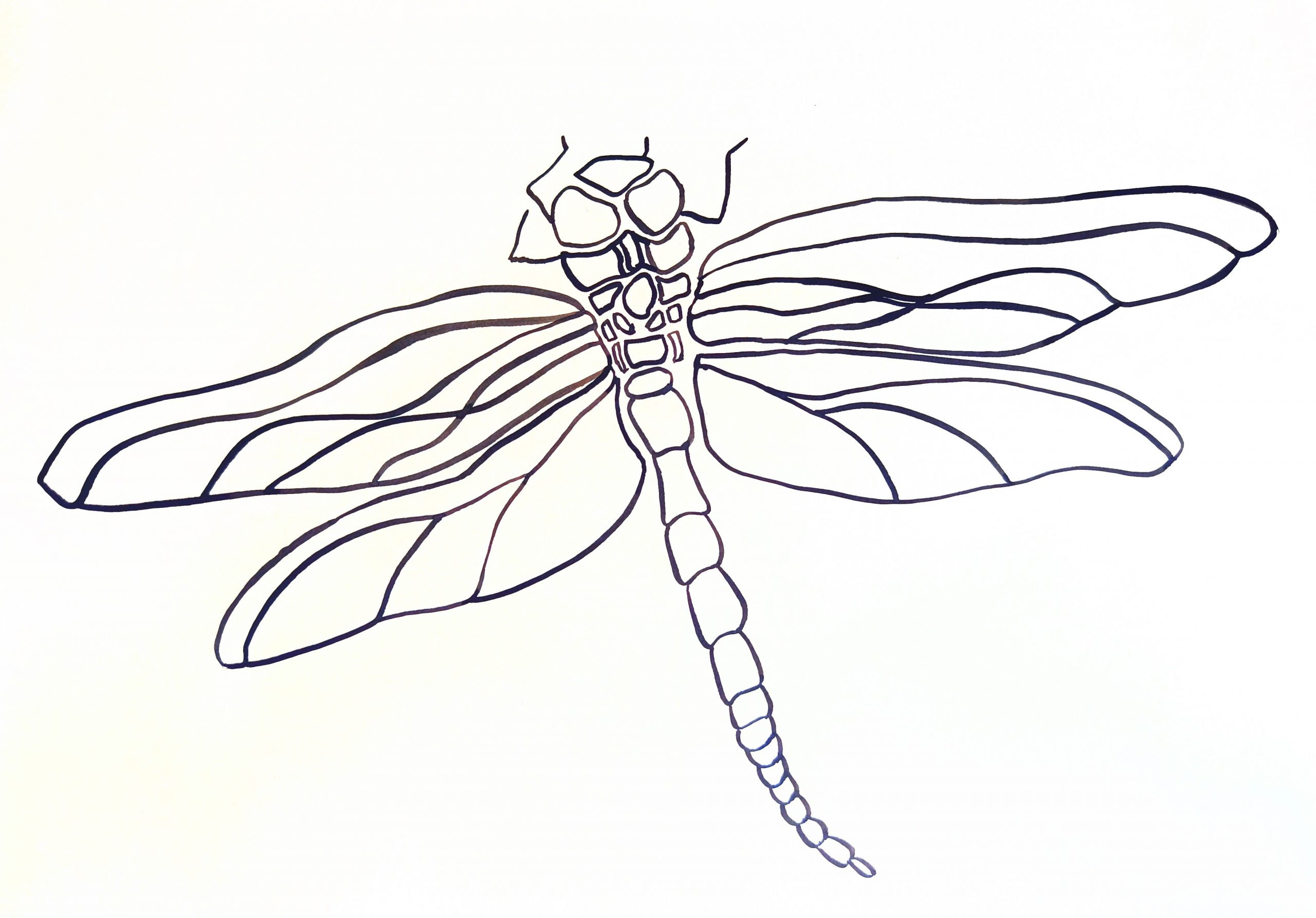
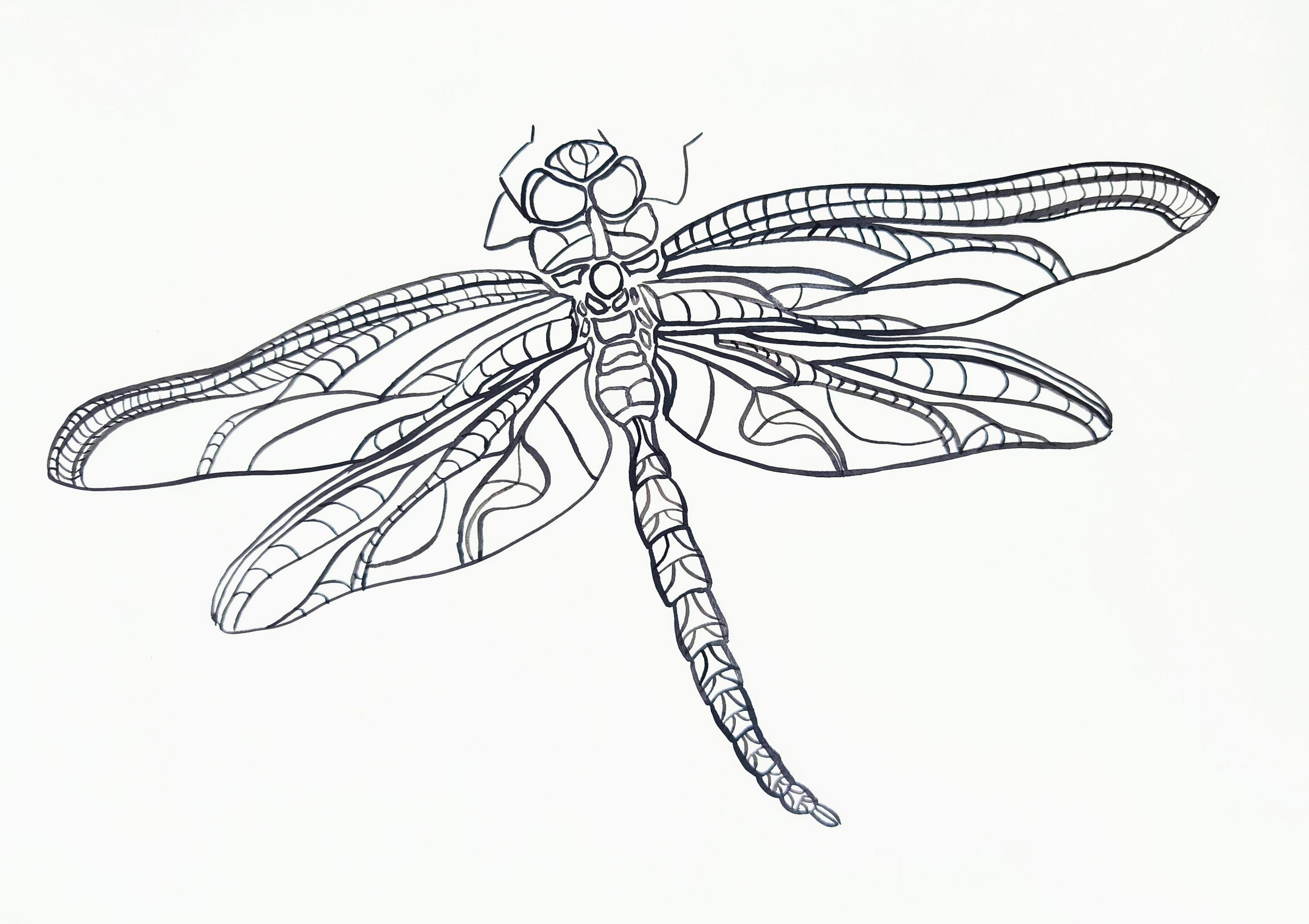
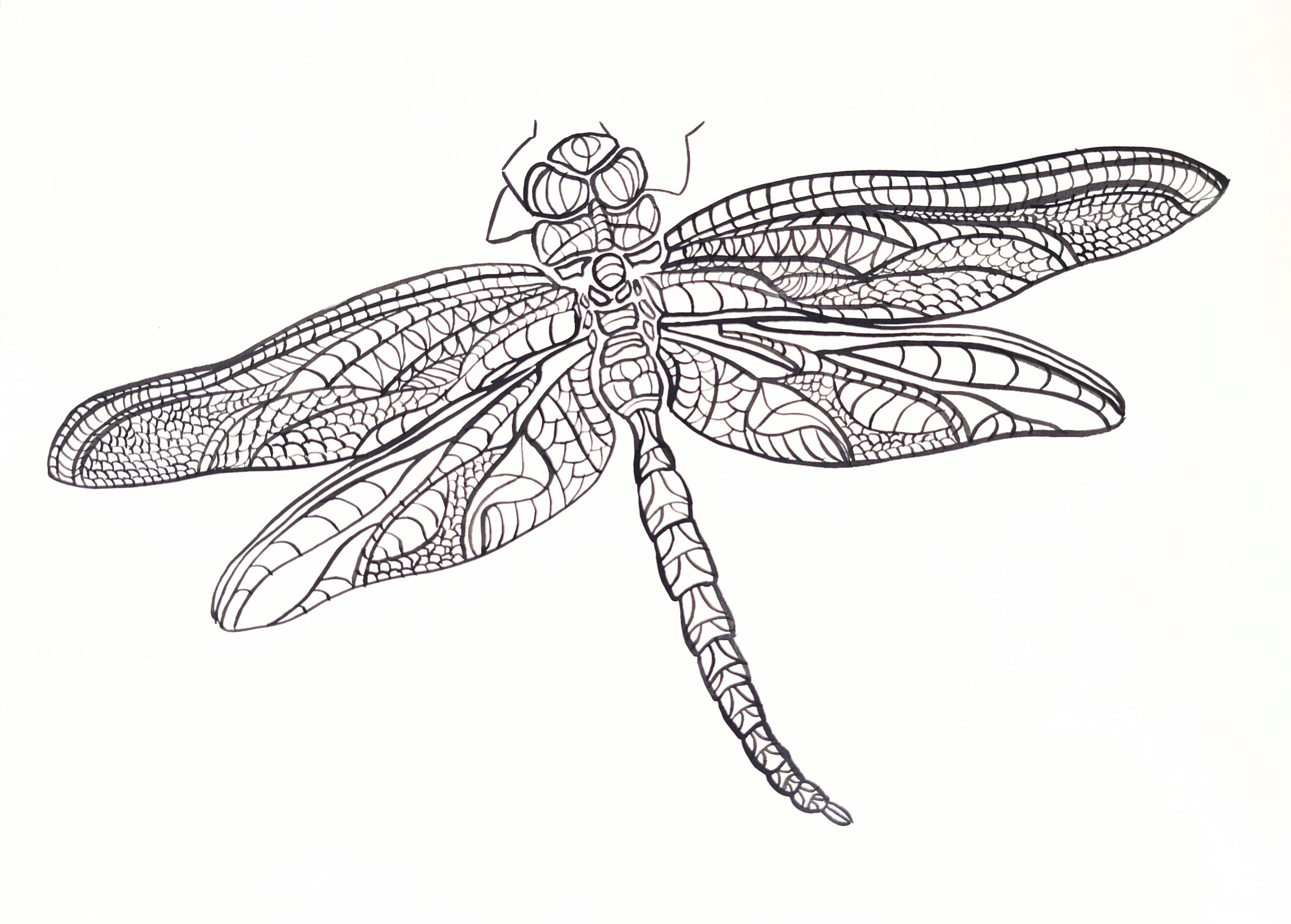
Section 7 – Colouring Competition
The colouring competition has 3 age categories. 0- 7 year olds, 8-12 year olds and adults (anyone 13+).
Please download and print the correct image from Colour it in, on the back write your name, address, age & phone number and bring it along to the show before 9.30am for your chance to win. Good Luck!
Please take entries to the Creative arts section on the day of the show.
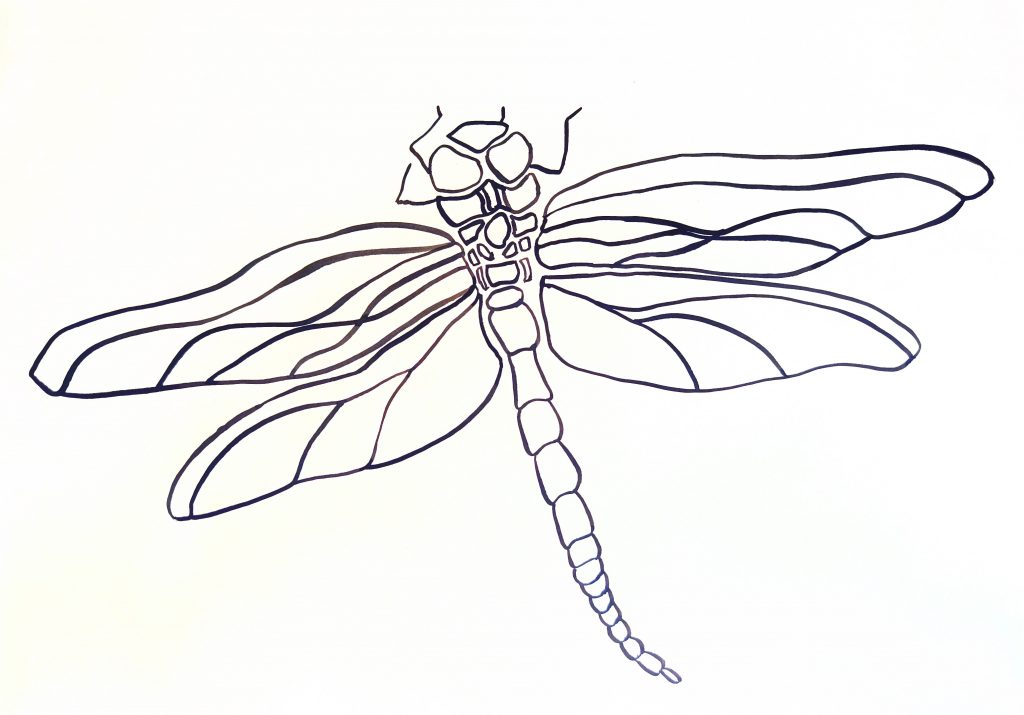
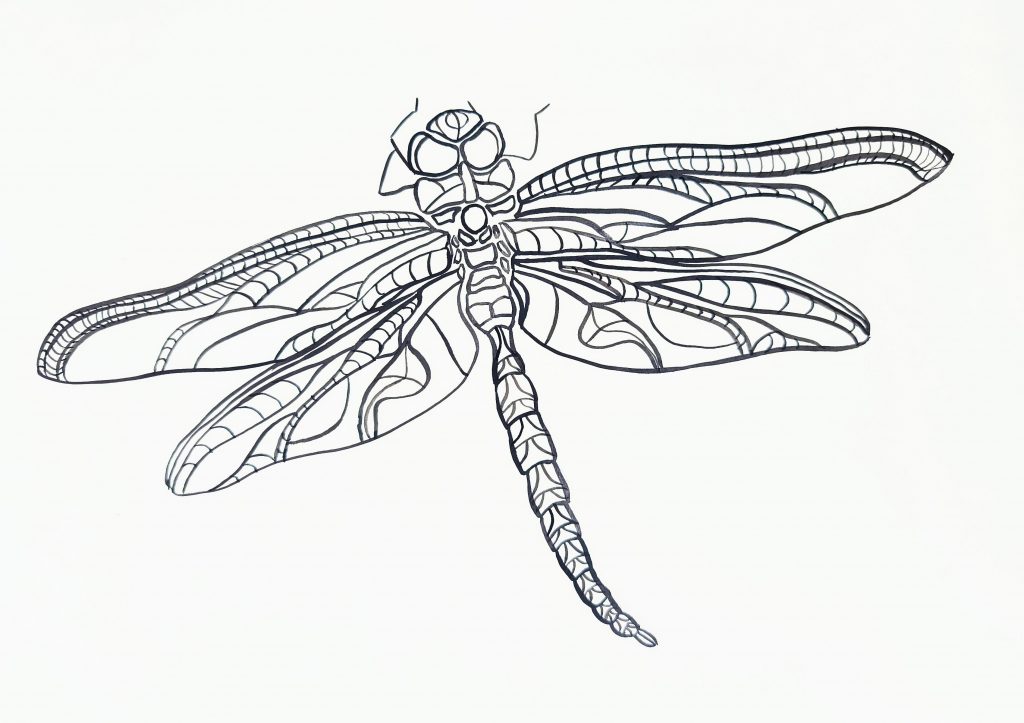
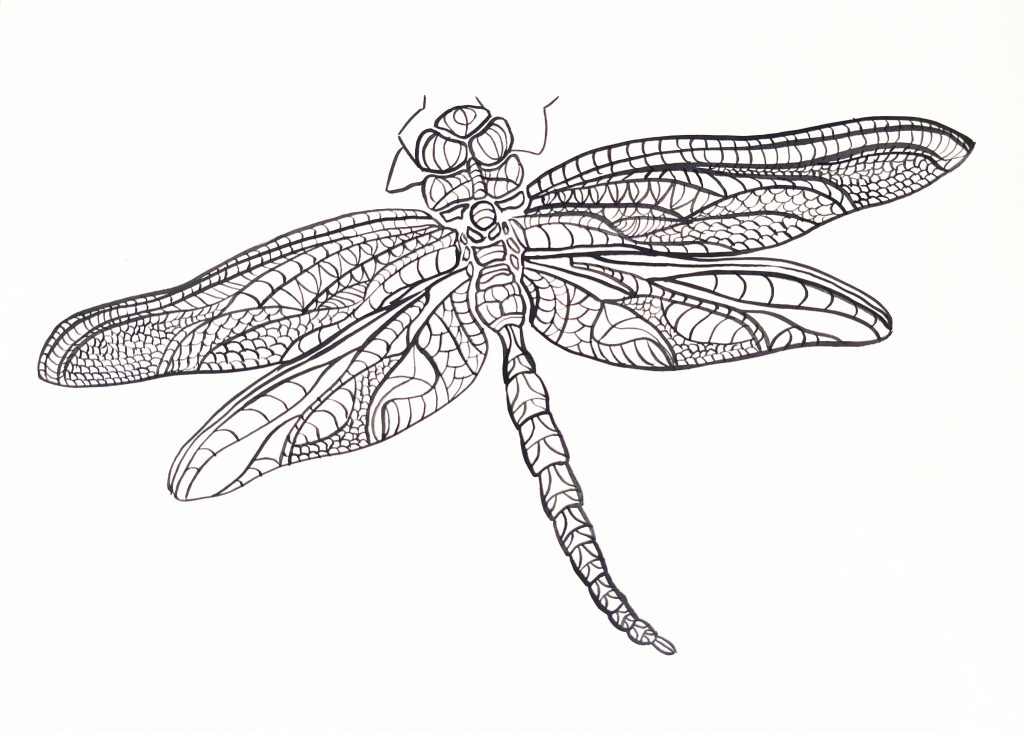
Download jpeg for each class
Or download pdf for each class